Stories are the most important aspect of being human. Stories are how we understand our history, our culture, ourselves and each other. Folk Stories, fairy tales, legends, myths and fables all have their roots somewhere, and that ‘where’ was originally in a community; beginning with a single storyteller and then morphing and shifting with each telling and with each storyteller who tells it.
Stories are alive.
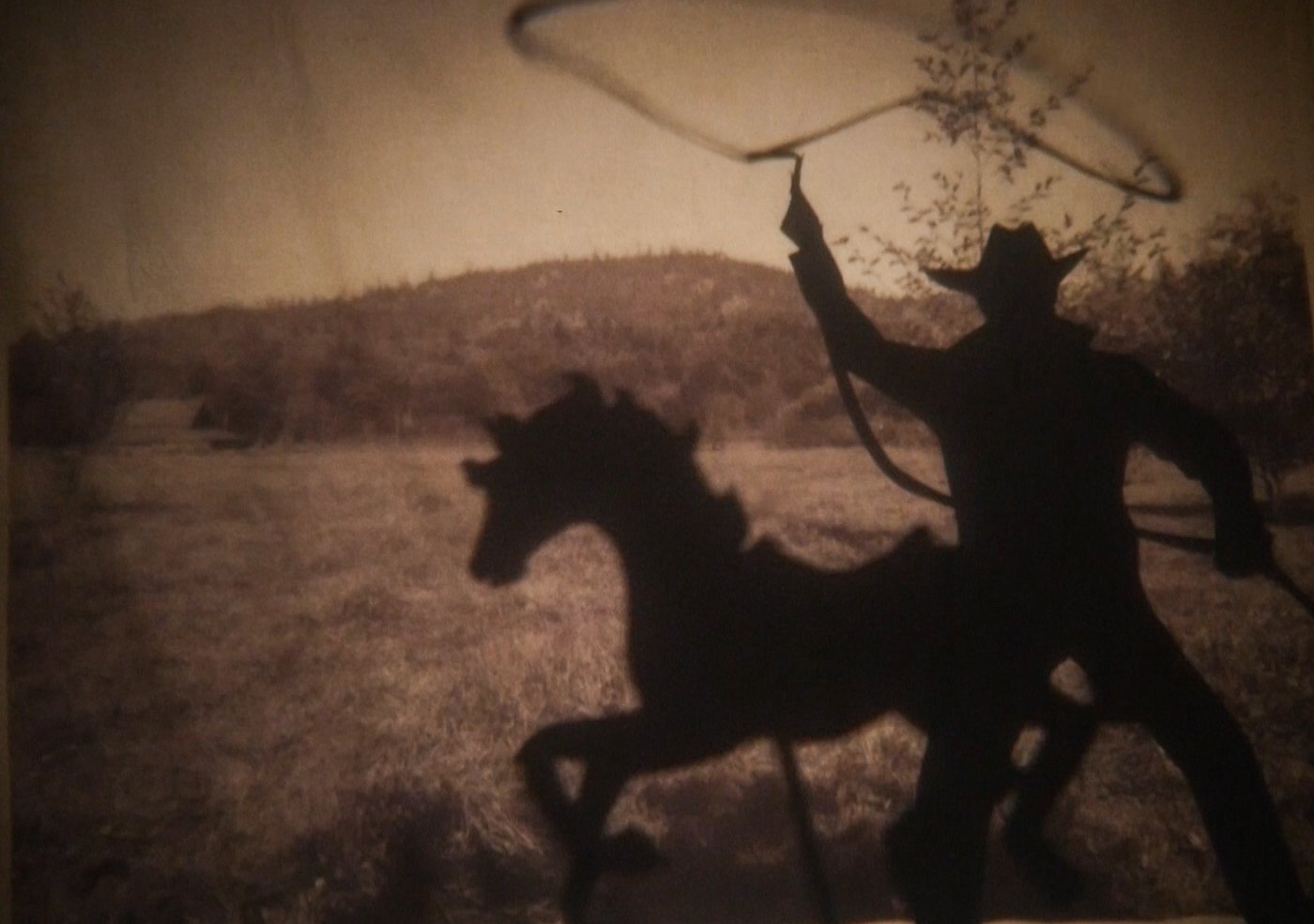
For Bowen Fables we selected several stories from the Bowen Island Museum and Archives and used them as a - once upon a time - for our short films. All of the stories in the Bowen Fables collection have a kernel of truth in them; they are all based on events that happened, right here on Bowen Island. But, like fairy tales and myths, over the course of the workshops and with the various community members who dropped in to contribute time, ideas and expertise they have spun off into the fantastic.
I was invited by Bowen Island Museum and Archives to develop a community arts project using images and other archival materials. At the time, I was making a self-directed shadow-puppet film and experimenting with transparencies as backgrounds.
Shadow puppetry is labour-intensive, but that makes it well suited for a collaborative, hands-on project: there were many different ways for people to contribute.
I partnered with artist, puppeteer and fellow islander Liz Nankin to bring the community together to create stories that drew on old maps, letters, postcards and photographs while weaving in local legends and commentary on Bowen Island community life.
We began the project by meeting with historian and museum Executive Director Cathy Bayly to discuss periods in Bowen Island’s documented settler history.
The project’s budget and timeframe did not allow us to establish an appropriate relationship with, and properly compensate, Indigenous knowledge holders and creative collaborators. For this series we chose not to include an Indigenous storyline without Indigenous participation.
Over several months we hosted drop-in sessions on most weekends. During the script-development phase Cathy Bayly talked us through selected objects from the museum.
We selected four initial storylines through group voting. We approached the writing with a “never say no until we have to” attitude, saying yes to every suggestion. After two weeks of community input, I took the stories and edited them into shootable scripts. Sometimes we shot a scene two different ways and made the final decision in the edit.
Each film was created by the community members who came that day. There was always plenty to do: operating or making puppets, rehearsing puppet movements, organising materials by scene, or simply watching the mayhem unfold.
Once filming was complete, I edited the footage and gathered feedback from Liz, Cathy and participating community members.
We completed four films in the Bowen Fables series. They have since been screened on multiple occasions by the museum and Bowen Island Municipality. Audio-described versions have also recently been created for blind audiences.
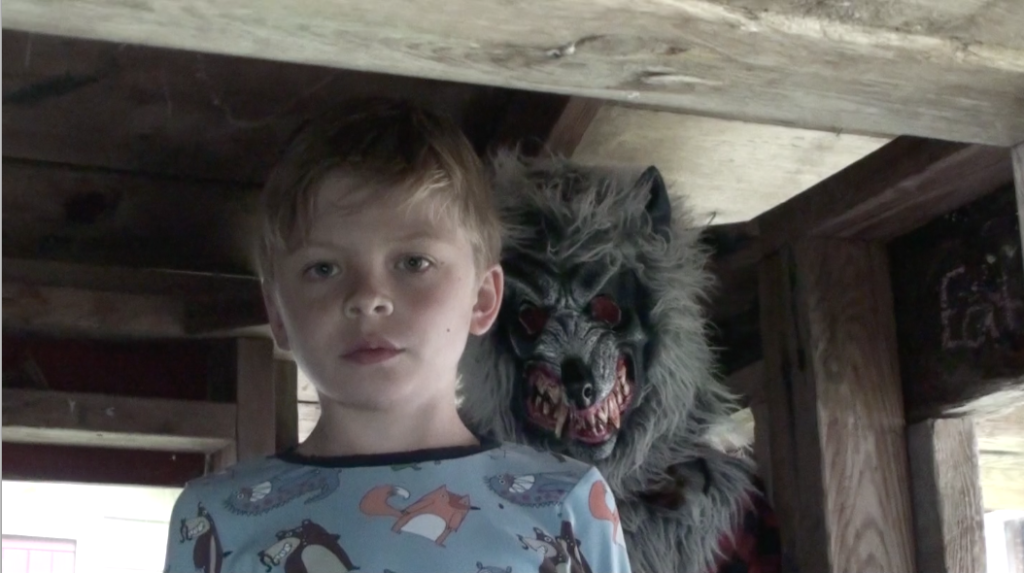
Young people in smaller coastal communities in British Columbia often have limited opportunities to explore filmmaking and other creative practices. Over three summers, I developed and delivered Mobile Film Camp, a programme that gave young people the opportunity to create their own short films.
Each camp brought together up to ten participants, divided into age groups of 8–11 and 12–14, for five full days. The young filmmakers developed story ideas, selected which films to make and worked together to write scripts, create storyboards and shot lists, rehearse, and design costumes, props and make-up—including buckets of fake blood.
Each group produced two films, allowing participants to try different creative and technical roles. They decided who would direct, operate the camera, act, and work on make-up, props and other production tasks. On the final day, each participant edited a version of the footage. After the camps, I completed any unfinished edits while preserving the young filmmakers’ creative decisions and prepared the films for public screening.
The programme was delivered in several coastal British Columbia communities, including Bowen Island, Sechelt and Squamish. At the end of the season, I returned to each community to present a screening of films made across all the participating towns.
Along with practical filmmaking, participants explored media literacy: how advertising and marketing work, how editing shapes a story, the social context of online media, and how to establish personal boundaries around screen time. The aim was to help young people become active media-makers rather than passive consumers.
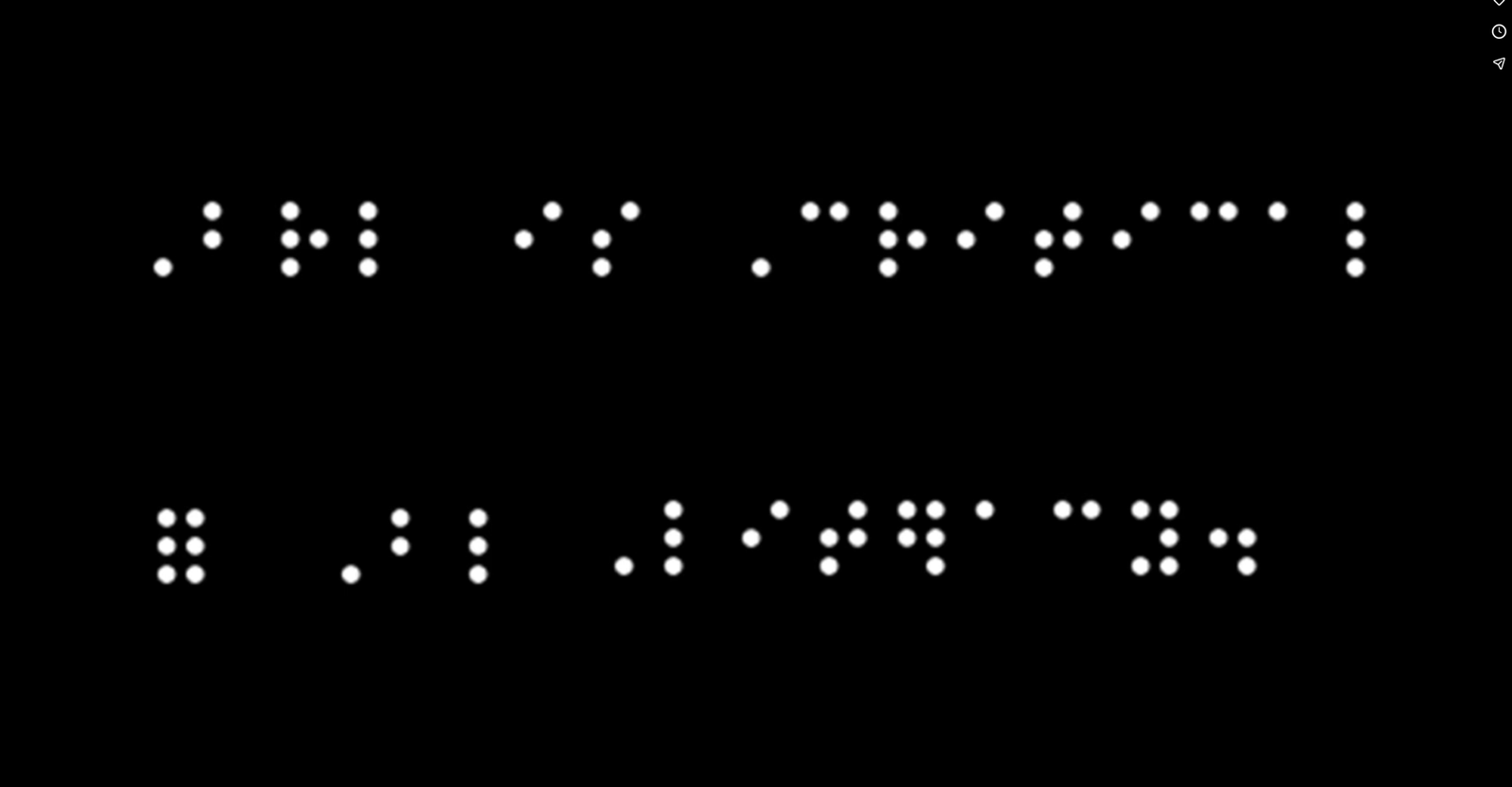
My approach to production for COBD was not to shoot 'a video' but shoot content we could reuse over a number of productions at different stages of the Capital Campaign, for different audiences and across various platforms. This allowed for the maximum use of a small budget. This video is for use on social, under a minute and can be understood without sound, (or without picture).
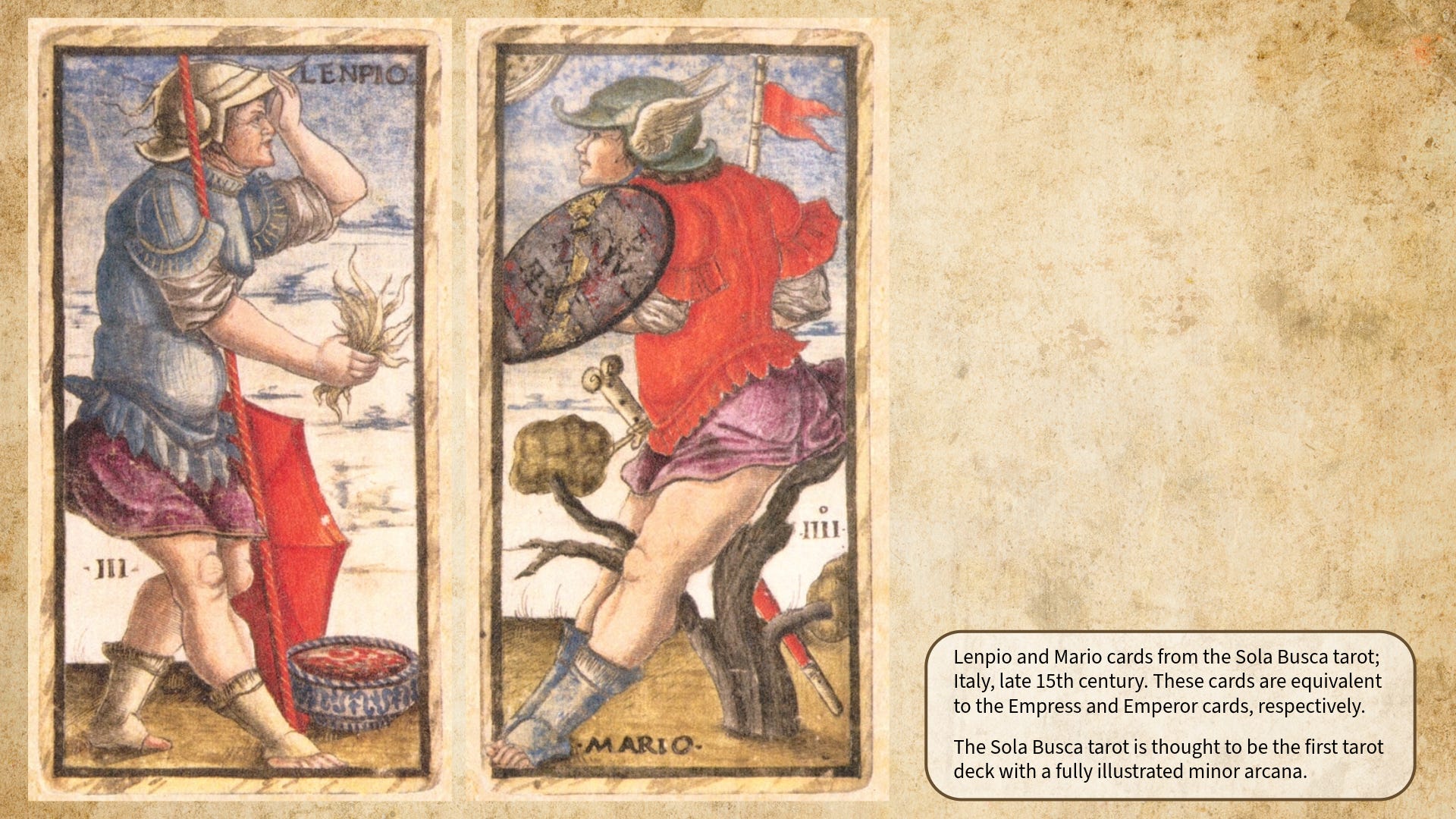
I have been musing on The Emperor and The Empress tarot cards, they have always been problematic for me.
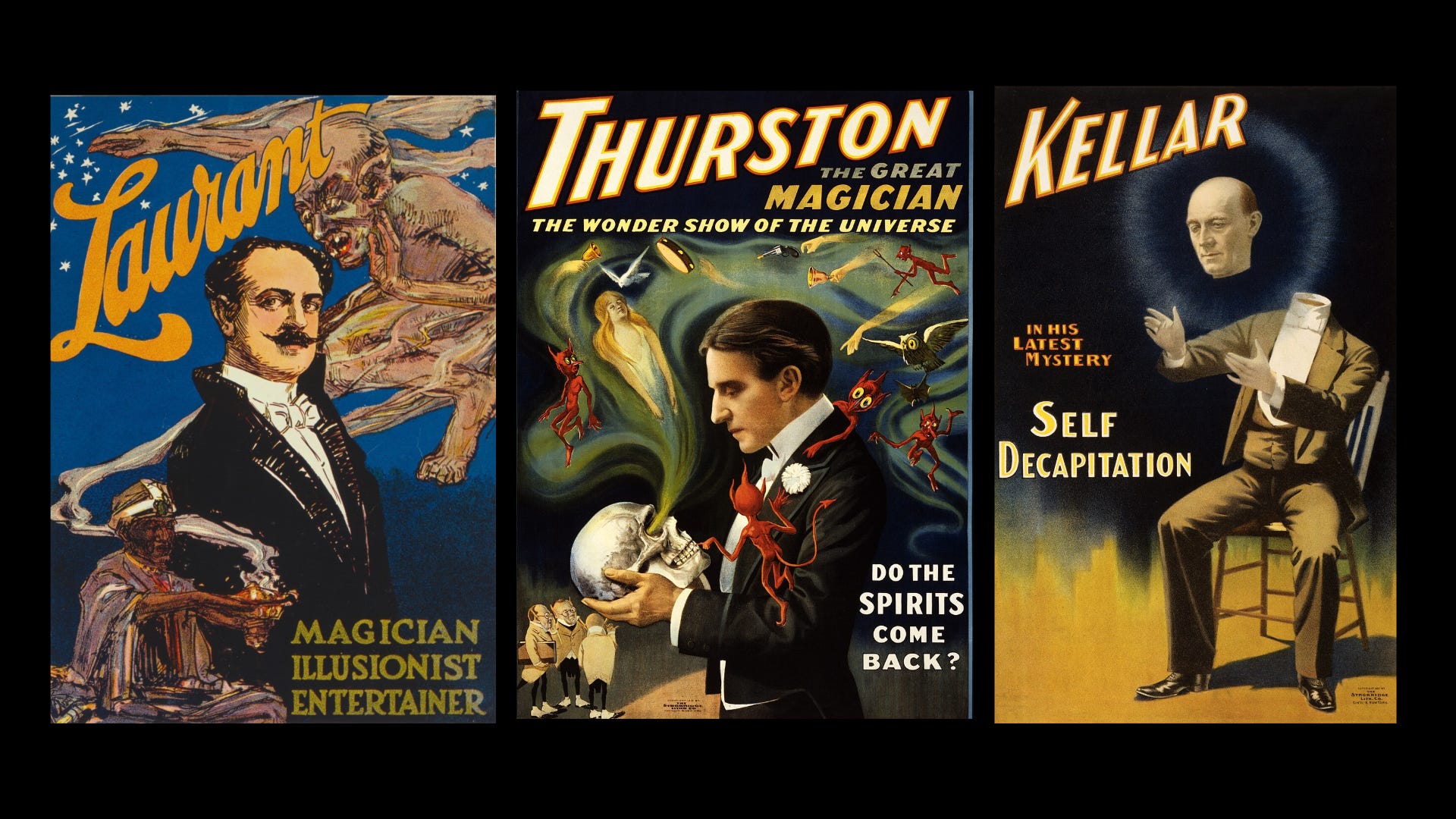
First, in order to answer that question, I would need to define what magic is...
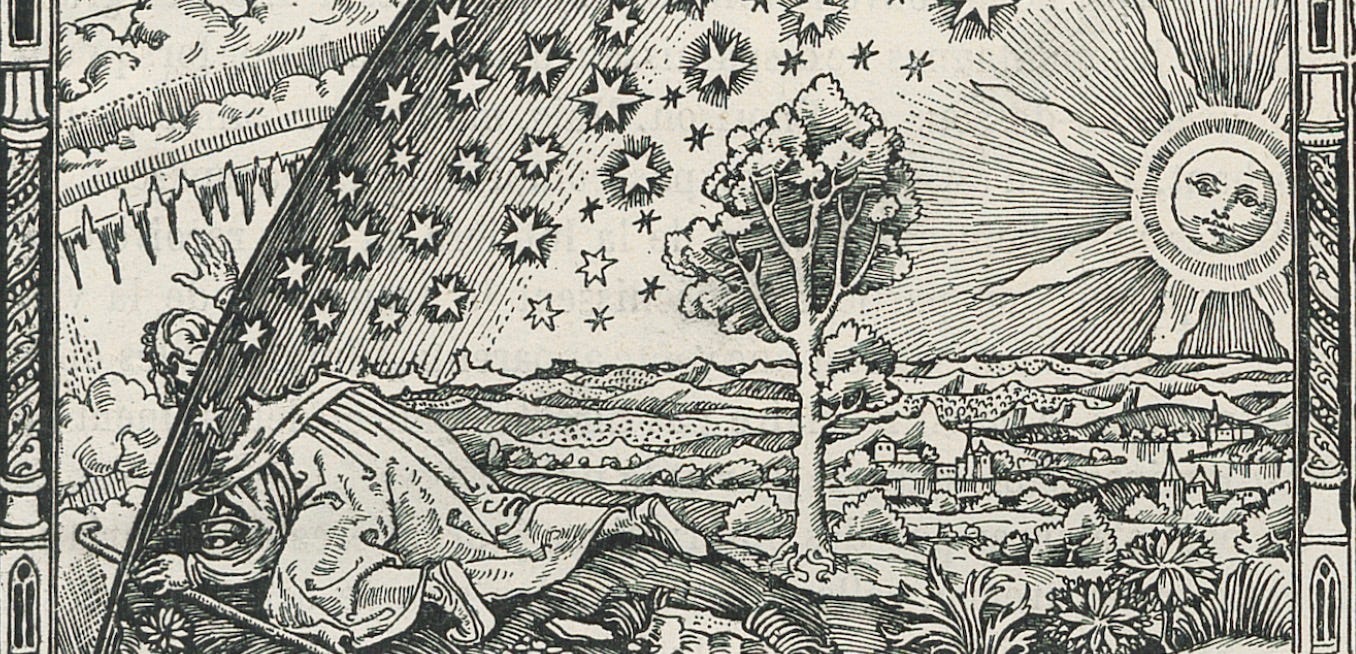
Three categories of reality in Dion Fortune’s Applied Magic
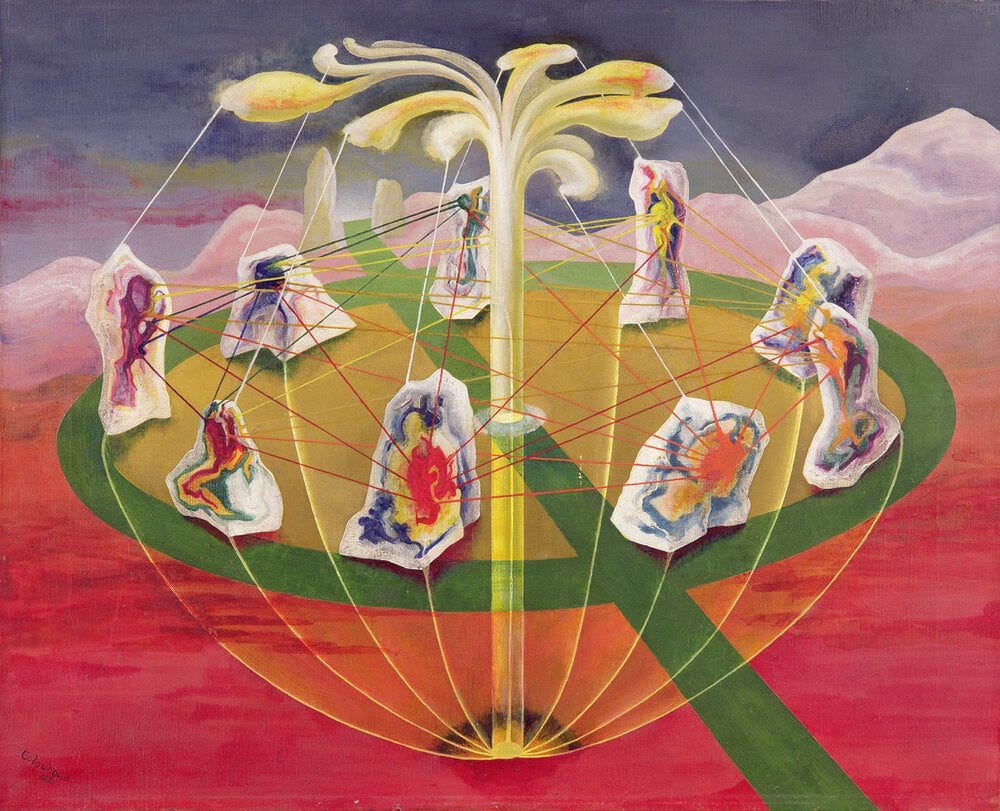
Collective enchantments & reality selection